Customization Flexibility and Integration Capabilities for Diverse Applications
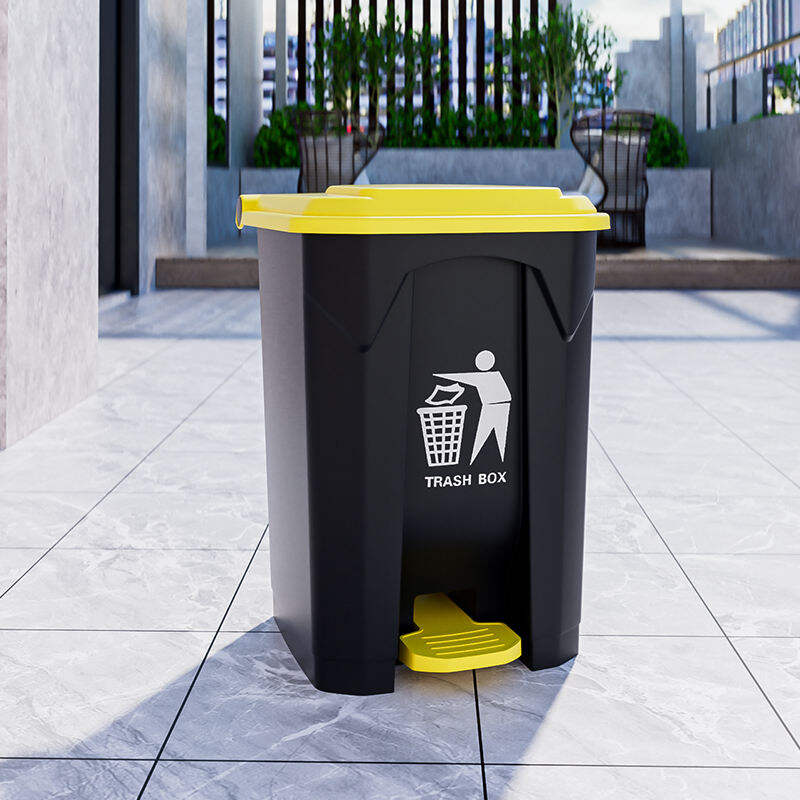
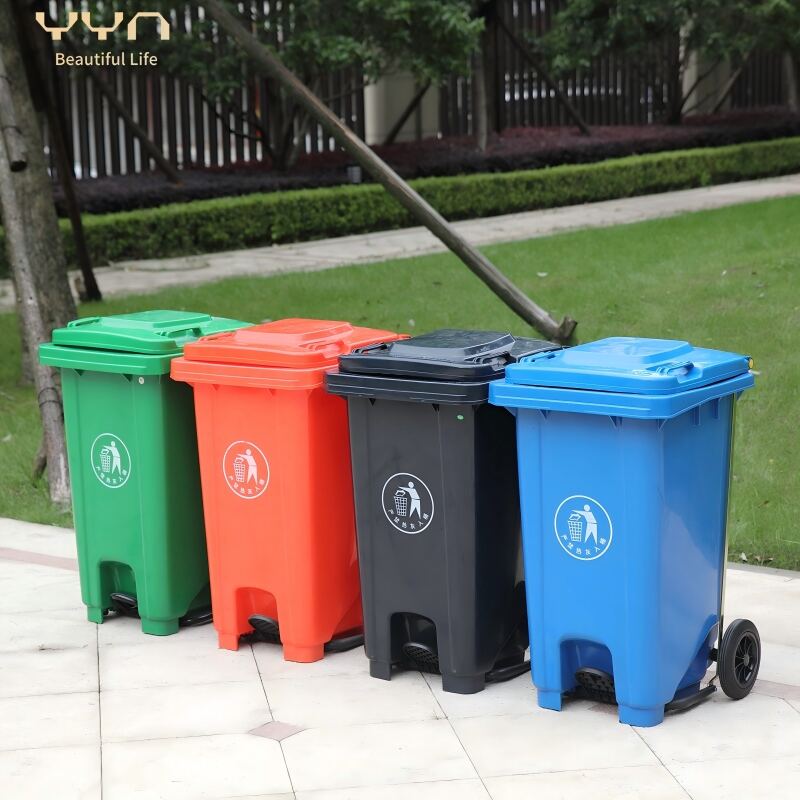
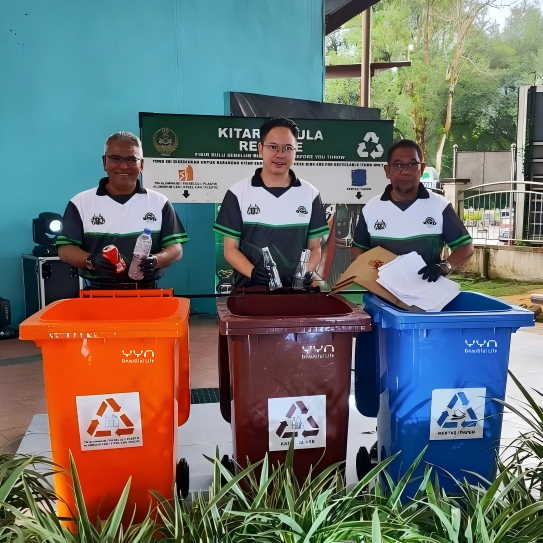
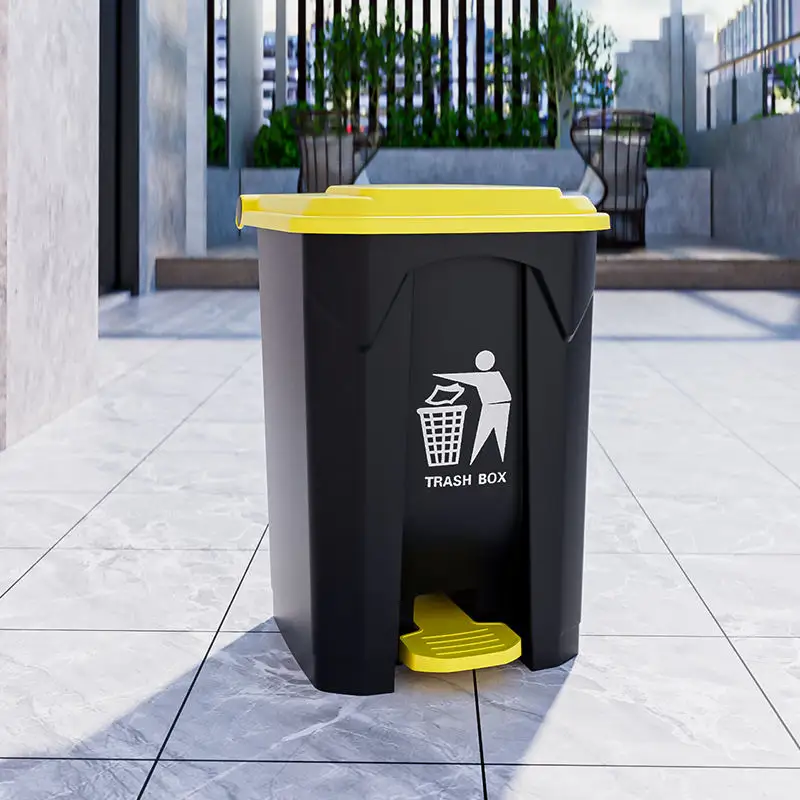
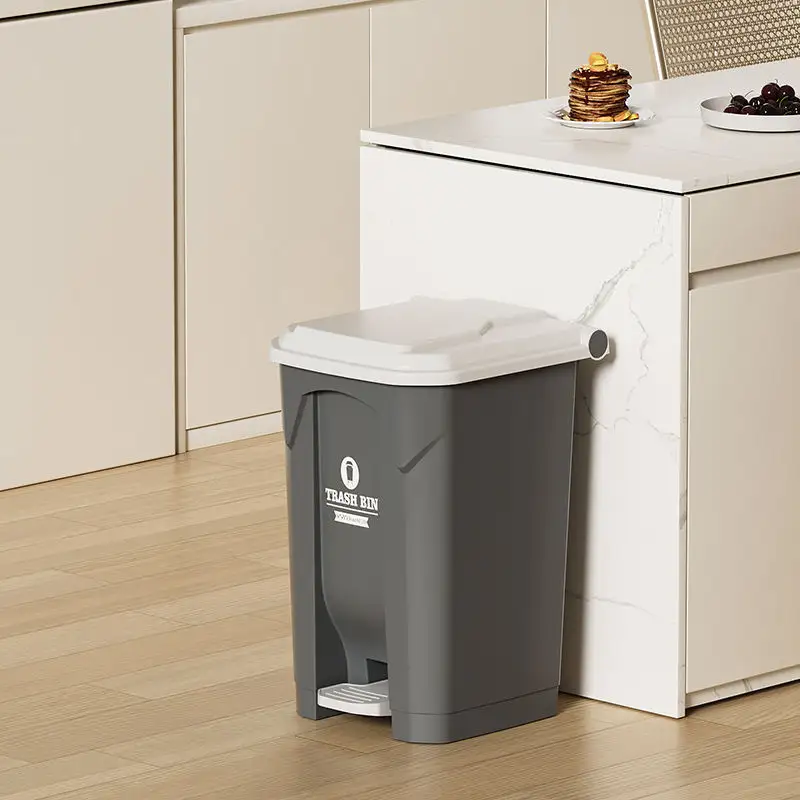
The smart bin factory excels in providing customization flexibility that addresses the unique requirements of different industries, geographical contexts, and operational preferences without compromising the efficiency benefits of standardized production processes. Manufacturing teams within the facility work closely with clients during the specification phase to understand specific challenges, existing infrastructure constraints, and desired integration with current management systems. This collaborative approach allows the smart bin factory to configure sensor types, communication protocols, power systems, and physical dimensions that align precisely with deployment environments ranging from dense urban centers to remote rural locations. The production capability includes options for solar panel integration on bin housings for locations where electrical infrastructure access proves challenging, with factory-installed photovoltaic systems providing continuous power supplementation that extends battery life significantly. Communication protocol flexibility represents another critical customization dimension, where the smart bin factory can equip units with cellular modems, LoRaWAN radios, NB-IoT modules, or satellite communication systems depending on network availability and cost considerations specific to deployment regions. The manufacturing facility maintains modular production stations that accommodate these variations without requiring complete line reconfiguration, preserving production efficiency while delivering customized solutions. Software integration capabilities built into factory production include API development, webhook configurations, and protocol translations that enable seamless data flow between smart bins and existing enterprise resource planning systems, facility management platforms, or specialized waste management software already deployed by clients. The smart bin factory technical teams provide integration support that extends beyond hardware delivery, including documentation, testing assistance, and troubleshooting guidance that ensures smooth system deployment. Physical customization options address aesthetic requirements, with the factory offering color matching, logo application, signage integration, and housing style variations that align with architectural contexts, corporate branding guidelines, or municipal design standards. Capacity scaling represents another customization dimension where the smart bin factory produces units ranging from compact indoor receptacles through large outdoor containers and specialized industrial bins, all incorporating the same intelligent monitoring technology adapted to appropriate scale. The manufacturing process accommodates specialized requirements such as fire-resistant materials for high-risk environments, food-grade containers for organic waste streams, and secure access systems for confidential document disposal applications. Quality assurance protocols within the smart bin factory verify that customized units meet the same rigorous performance standards as standard production runs, with additional testing procedures validating custom features function correctly under specified conditions. This customization capability extends to retrofit solutions where the factory produces sensor modules designed for installation in existing container infrastructure, allowing organizations to upgrade legacy bins rather than replacing entire fleets. The flexibility inherent in smart bin factory operations ensures that technological advancement and intelligent waste management benefits remain accessible across diverse application contexts rather than limited to standardized scenarios, democratizing access to innovation while respecting the practical constraints and unique needs of different organizations and communities.
 EN
EN