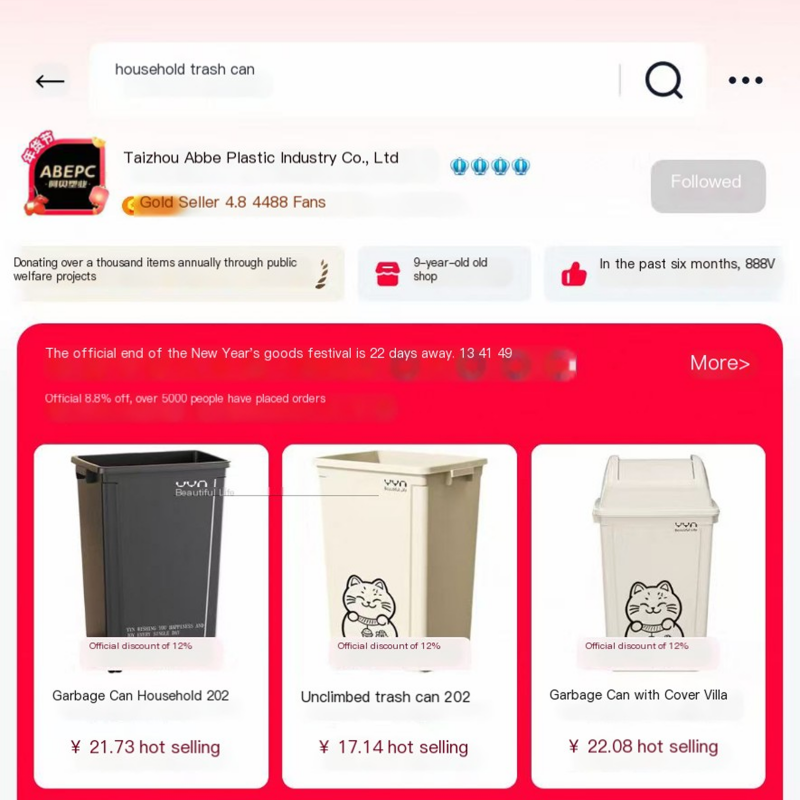
High-Volume Waste Disposal Bins: Commercial Solutions for Efficient Waste Management

high-volume waste disposal bins

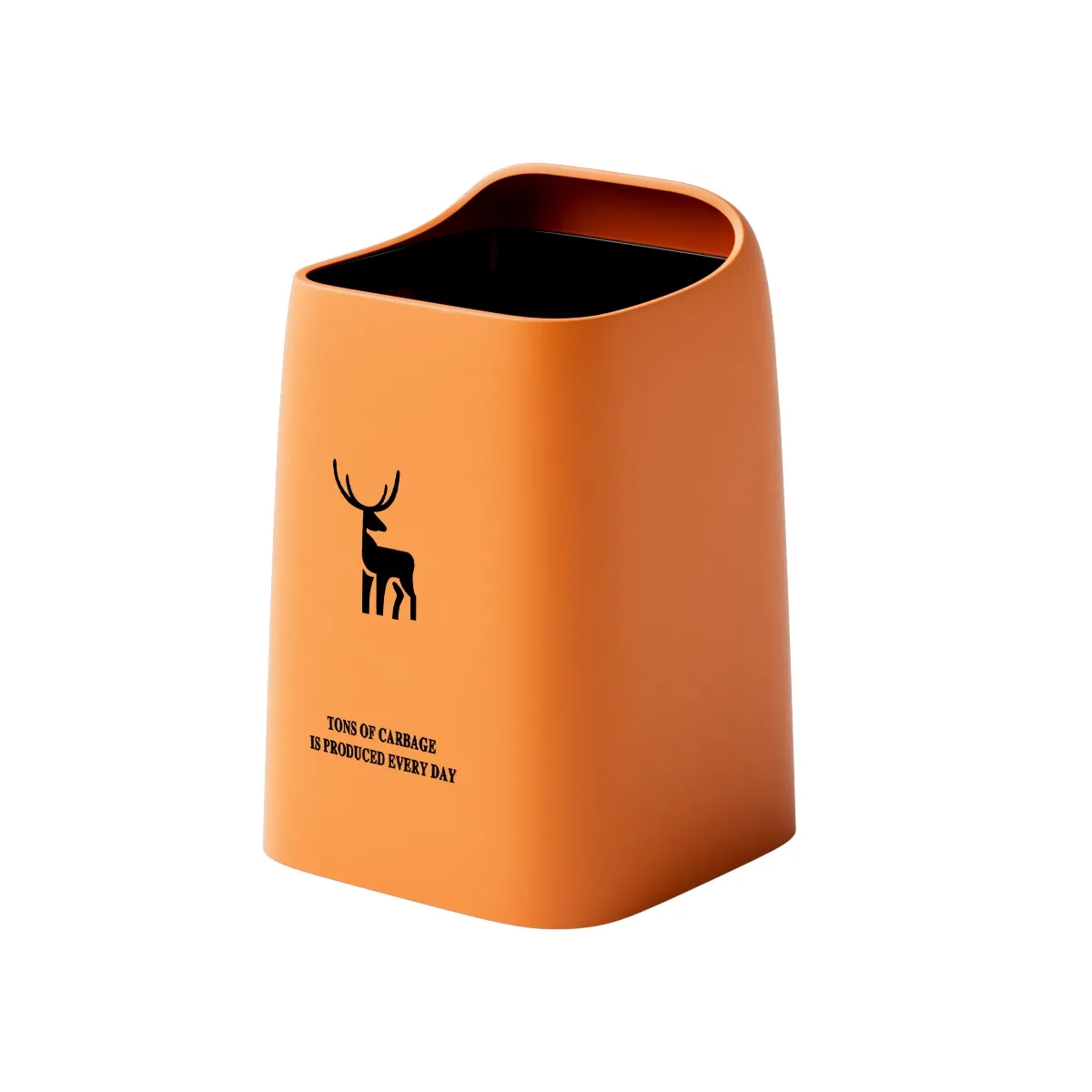
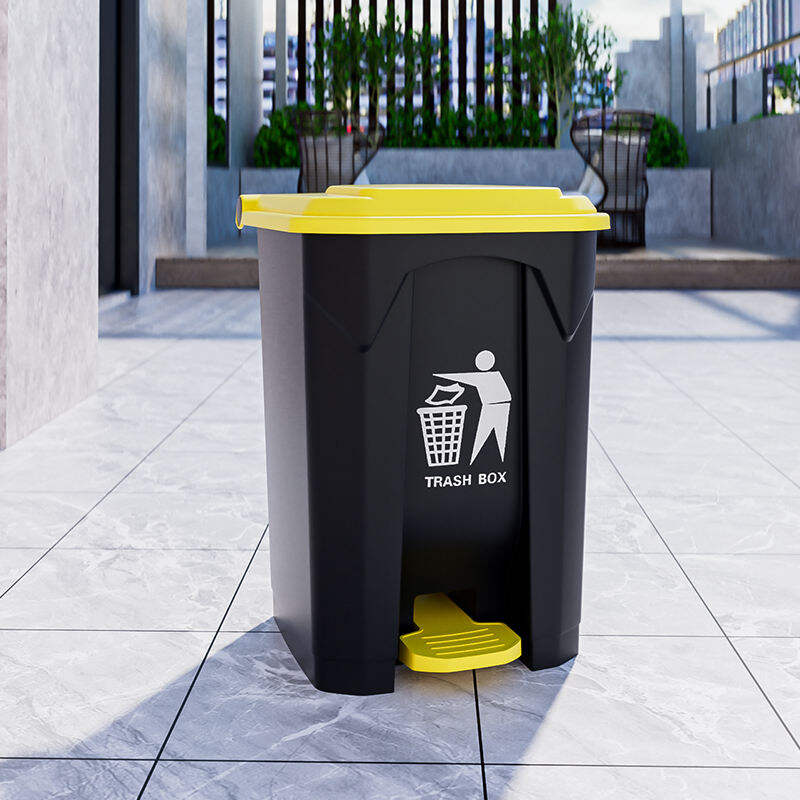
High-volume waste disposal bins represent a revolutionary advancement in modern waste management solutions, designed specifically to handle substantial quantities of refuse in commercial, industrial, and municipal settings. These robust containers are engineered to accommodate the demanding requirements of facilities that generate significant amounts of waste daily, including shopping centers, manufacturing plants, hospitals, construction sites, and large residential complexes. The primary function of high-volume waste disposal bins centers on providing efficient, hygienic, and cost-effective waste collection and storage capabilities that minimize the frequency of disposal runs while maximizing operational efficiency. These specialized containers typically feature capacities ranging from several hundred gallons to multiple cubic yards, significantly exceeding standard waste receptacle dimensions. The technological features integrated into high-volume waste disposal bins include reinforced construction materials such as heavy-duty steel, advanced polymers, or galvanized metal that resist corrosion, impact damage, and environmental degradation. Many models incorporate sophisticated mechanisms like hydraulic compaction systems that compress waste to increase capacity utilization, reducing the volume by up to seventy percent in some applications. Additional technological enhancements may include odor control systems, leak-proof designs, pest-resistant seals, and compatibility with automated collection vehicles equipped with hydraulic lifting mechanisms. The applications for high-volume waste disposal bins span diverse sectors including retail environments where packaging waste accumulates rapidly, food service operations generating organic refuse, healthcare facilities managing medical waste streams, educational institutions serving thousands of students, hospitality venues handling guest refuse, and industrial operations producing manufacturing byproducts. These bins serve as critical infrastructure components in comprehensive waste management strategies, enabling organizations to maintain sanitary conditions, comply with environmental regulations, optimize labor allocation, and demonstrate commitment to responsible waste handling practices that protect public health and environmental quality.

New Products

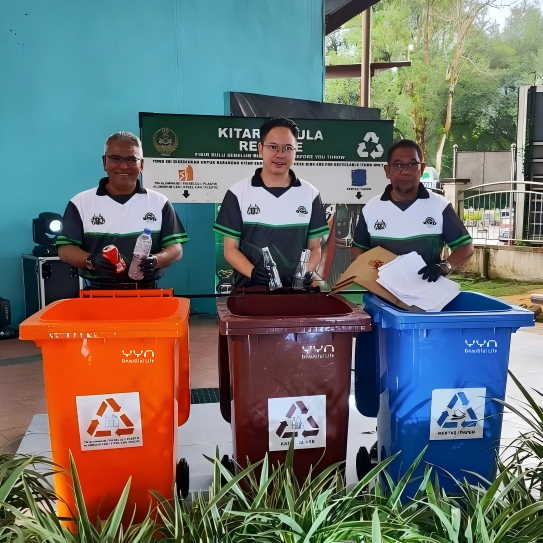
Organizations investing in high-volume waste disposal bins experience numerous practical benefits that directly impact operational efficiency and financial performance. The most immediate advantage manifests in reduced collection frequency, as these bins hold substantially more refuse than conventional containers, allowing businesses to schedule pickups weekly or biweekly instead of daily, which translates to lower hauling costs and decreased service fees. This capacity advantage proves particularly valuable during peak operational periods when waste generation spikes unexpectedly, preventing overflow situations that create unsightly conditions, attract pests, and potentially violate health codes. The durability of high-volume waste disposal bins delivers long-term cost savings by eliminating frequent replacement expenses associated with lighter-duty containers that crack, rust, or deteriorate under heavy use. These robust bins withstand harsh weather conditions, rough handling during collection, and the corrosive effects of diverse waste materials, providing reliable service for years with minimal maintenance requirements. Facility managers appreciate the organizational benefits these bins provide by centralizing waste collection points, reducing the number of smaller containers scattered across properties, and streamlining custodial workflows. Employees spend less time managing multiple bins and more time on productive activities, improving overall labor efficiency. The enhanced sanitation features of high-volume waste disposal bins address critical hygiene concerns by containing odors more effectively through sealed lids and specialized gaskets, preventing leakage that contaminates surfaces, and discouraging pest infestations through secure closures that deny access to rodents and insects. Environmental stewardship represents another significant advantage, as these bins facilitate recycling initiatives through dedicated compartments, reduce the carbon footprint associated with frequent collection vehicle trips, and support corporate sustainability goals that increasingly influence customer perceptions and brand reputation. Safety improvements emerge from reduced manual handling requirements, as automated lifting systems eliminate the need for workers to manually empty heavy containers, decreasing workplace injury risks and associated compensation costs. The professional appearance of well-maintained high-volume waste disposal bins enhances property aesthetics compared to overflowing or damaged smaller units, contributing to positive impressions among customers, tenants, and visitors. Compliance advantages cannot be overlooked, as these bins help organizations meet regulatory requirements for waste containment, hazardous material separation, and documentation of disposal practices. The scalability of high-volume waste disposal bins allows businesses to adjust capacity as operations expand, accommodating growth without complete system overhauls and providing flexibility to respond to changing waste generation patterns across seasonal cycles or business developments.

Latest News

Abei Launches New HDPE Trash Bins: More Durable for Outdoor Use

22

Jan

Abei Launches New HDPE Trash Bins: More Durable for Outdoor Use

View More
Abei Partners with Southeast Asian Sanitation Company: Overseas Market Growth

22

Jan

Abei Partners with Southeast Asian Sanitation Company: Overseas Market Growth

View More
Abei’s Taobao Store Reaches 5,000 Followers: C-end Market Expansion

22

Jan

Abei’s Taobao Store Reaches 5,000 Followers: C-end Market Expansion

View More

Get a Free Quote

Our representative will contact you soon.
Email
Mobile/WhatsApp
Name
Company Name
Attachment
Please upload at least an attachment
Up to 3 files, each no larger than 30MB. Supported formats: jpg, jpeg, png, pdf, doc, docx, xls, xlsx, csv, txt, stp, step, igs, x_t, dxf, prt, sldprt, sat, rar, zip.
Message
0/1000

high-volume waste disposal bins

Superior Capacity Engineering for Maximum Waste Management Efficiency

Superior Capacity Engineering for Maximum Waste Management Efficiency

The exceptional capacity engineering of high-volume waste disposal bins fundamentally transforms how organizations approach waste management challenges, delivering unprecedented efficiency gains that ripple throughout operational workflows. These containers are meticulously designed to maximize cubic footage while maintaining manageable footprints that fit within existing facility layouts, utilizing vertical space optimization principles that allow storage of significantly more waste without consuming excessive ground area. The engineering behind these bins incorporates advanced volumetric calculations that account for waste compression characteristics, ensuring realistic capacity ratings that users can depend upon during daily operations. Many high-volume waste disposal bins integrate compaction technology that mechanically compresses refuse as it accumulates, utilizing hydraulic rams or screw mechanisms that apply controlled pressure to reduce air pockets and consolidate materials into denser configurations. This compaction capability effectively multiplies the nominal capacity by factors of three to seven depending on waste composition, meaning a bin rated at three cubic yards can often accommodate the equivalent of nine to twenty-one cubic yards of uncompacted waste. The practical implications of this superior capacity are profound for businesses operating in space-constrained environments where real estate costs make every square foot valuable. Rather than dedicating significant areas to multiple smaller bins, facilities can deploy strategically positioned high-volume waste disposal bins that handle equivalent or greater waste volumes while freeing space for revenue-generating activities or improved traffic flow. The capacity advantage directly addresses one of the most persistent challenges in waste management: the unpredictability of waste generation rates that can vary dramatically based on operational factors, seasonal fluctuations, or special events. Organizations with high-volume waste disposal bins gain a buffer capacity that absorbs these variations without requiring emergency collection calls or temporary overflow solutions that disrupt operations and incur premium service charges. The economic value of superior capacity extends beyond obvious collection cost reductions to encompass indirect savings in labor efficiency, as custodial staff make fewer trips to dispose of waste and spend less time managing overflowing containers. Facility managers report substantial improvements in operational planning capabilities, as predictable collection schedules replace reactive approaches that previously consumed administrative time coordinating unscheduled pickups. The environmental benefits of capacity-optimized high-volume waste disposal bins align with corporate sustainability initiatives by minimizing collection vehicle trips that contribute to traffic congestion, air pollution, and greenhouse gas emissions, allowing organizations to quantify and report meaningful reductions in their carbon footprints.
Robust Construction Durability That Withstands Demanding Commercial Environments

Robust Construction Durability That Withstands Demanding Commercial Environments

The robust construction durability built into high-volume waste disposal bins represents a critical value proposition that separates these professional-grade solutions from consumer-level alternatives, delivering reliability under the punishing conditions typical of commercial and industrial applications. Manufacturers engineer these bins using premium materials selected specifically for their resistance to the multiple stress factors encountered in demanding environments, including heavy-gauge steel that resists deformation under load, corrosion-resistant coatings that protect against chemical exposure and moisture penetration, and impact-resistant polymers that maintain structural integrity despite rough handling. The construction methodology employed in fabricating high-volume waste disposal bins typically involves reinforced welding techniques that create continuous seams stronger than the base materials themselves, eliminating weak points where cracks might initiate under repeated stress cycles. Critical stress areas such as lifting points, hinge attachments, and wheel mounts receive additional reinforcement through gussets, doublers, or structural ribbing that distributes loads across larger surface areas, preventing localized failures that would compromise bin functionality. The material selection process considers not only initial strength but also long-term performance characteristics, recognizing that these bins will endure years of exposure to temperature extremes, ultraviolet radiation, moisture, and chemical residues from diverse waste streams. Powder-coated finishes applied to metal bins provide multi-layer protection that resists scratching, chipping, and fading, maintaining professional appearance throughout extended service lives while preventing the corrosion that would otherwise compromise structural integrity. High-density polyethylene constructions offer alternative durability profiles particularly suited to applications involving corrosive materials or environments where metal bins would deteriorate rapidly, providing flexibility for specialized requirements. The practical benefits of this robust construction manifest in dramatically extended replacement cycles, with quality high-volume waste disposal bins routinely providing ten to fifteen years of reliable service compared to two to four years typical of lighter-duty alternatives. This longevity translates to superior total cost of ownership calculations that justify higher initial investments through lower lifetime costs per year of service. Businesses avoid the operational disruptions associated with frequent bin replacements, including the administrative burden of sourcing replacements, coordinating deliveries, and managing disposal of failed units. The reliability of durable construction eliminates embarrassing situations where bins fail during critical periods, potentially creating health hazards, regulatory violations, or negative impressions on customers and stakeholders. Maintenance requirements remain minimal for well-constructed high-volume waste disposal bins, typically limited to periodic cleaning and occasional lubrication of moving parts, freeing facility maintenance teams to focus on higher-priority tasks rather than constantly repairing or replacing waste containers.
Integrated Safety and Sanitation Features Protecting Health and Regulatory Compliance

Integrated Safety and Sanitation Features Protecting Health and Regulatory Compliance

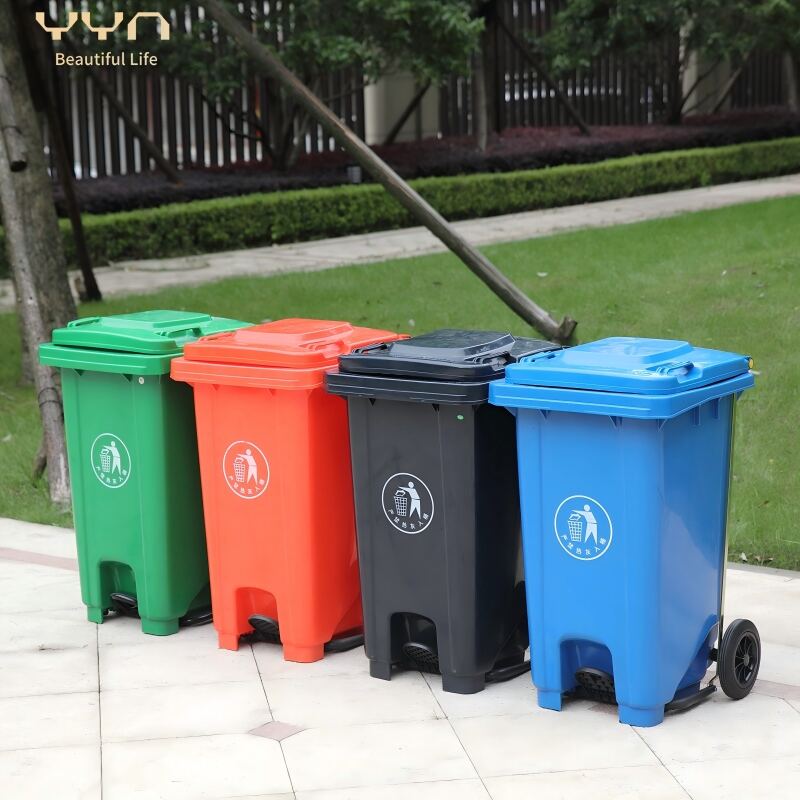
The integrated safety and sanitation features incorporated into modern high-volume waste disposal bins address critical concerns that impact employee wellbeing, public health, environmental protection, and regulatory compliance, delivering value that extends far beyond basic waste containment. These sophisticated features begin with ergonomic design principles that minimize physical strain on workers who interact with bins during normal operations, including appropriately positioned handles that provide secure grips, smooth-rolling wheel systems that reduce pushing effort, and lid mechanisms that operate with minimal force while maintaining secure closures. Many high-volume waste disposal bins are specifically engineered for compatibility with automated collection systems that eliminate manual handling entirely, featuring standardized lifting points that interface with hydraulic arms on collection vehicles, allowing bins to be emptied without workers approaching waste contents or performing repetitive lifting motions that contribute to musculoskeletal injuries. The sanitation features integrated into these bins address multiple contamination pathways through comprehensive design strategies that contain odors, prevent leakage, and deny pest access. Advanced lid designs incorporate overlapping edges, compression seals, or gasket systems that create barriers against odor migration, keeping unpleasant smells contained even when bins are fully loaded during extended periods between collections. Leak-proof construction features welded or seamless bottom panels, sealed drain plugs, and sloped interiors that channel liquids toward drainage points, preventing the seepage that creates slip hazards, stains pavement, and allows contaminated fluids to enter stormwater systems. Pest-resistant features include tight-fitting lids that eliminate entry gaps, smooth interior surfaces that discourage insect habitation, and optional locking mechanisms that prevent animals from accessing contents, addressing both nuisance and health concerns associated with pest attraction to waste storage areas. Some advanced high-volume waste disposal bins incorporate antimicrobial surface treatments that inhibit bacterial growth on container surfaces, reducing pathogen transmission risks when workers contact bins during routine operations. Fire safety considerations influence design specifications for bins intended to contain potentially combustible materials, with options including flame-retardant materials, ventilation systems that prevent methane accumulation, and spark-resistant components that reduce ignition risks. The regulatory compliance value of properly designed high-volume waste disposal bins cannot be overstated, as these features help organizations satisfy requirements established by health departments, environmental agencies, and occupational safety authorities. Bins designed for specific waste streams such as medical refuse, hazardous materials, or food waste incorporate color coding, labeling provisions, and segregation capabilities that facilitate proper waste classification and documentation, simplifying compliance reporting and reducing violation risks. Organizations benefit from reduced liability exposure when employing high-volume waste disposal bins with appropriate safety and sanitation features, as these measures demonstrate reasonable care in protecting workers, customers, and the environment from waste-related hazards.
Get a Free Quote

Our representative will contact you soon.
Email
Mobile/WhatsApp
Name
Company Name
Attachment
Please upload at least an attachment
Up to 3 files, each no larger than 30MB. Supported formats: jpg, jpeg, png, pdf, doc, docx, xls, xlsx, csv, txt, stp, step, igs, x_t, dxf, prt, sldprt, sat, rar, zip.
Message
0/1000