Eco-Friendly Recycling Bin System: Smart Waste Management Solutions for Sustainable Operations

eco-friendly recycling bin system

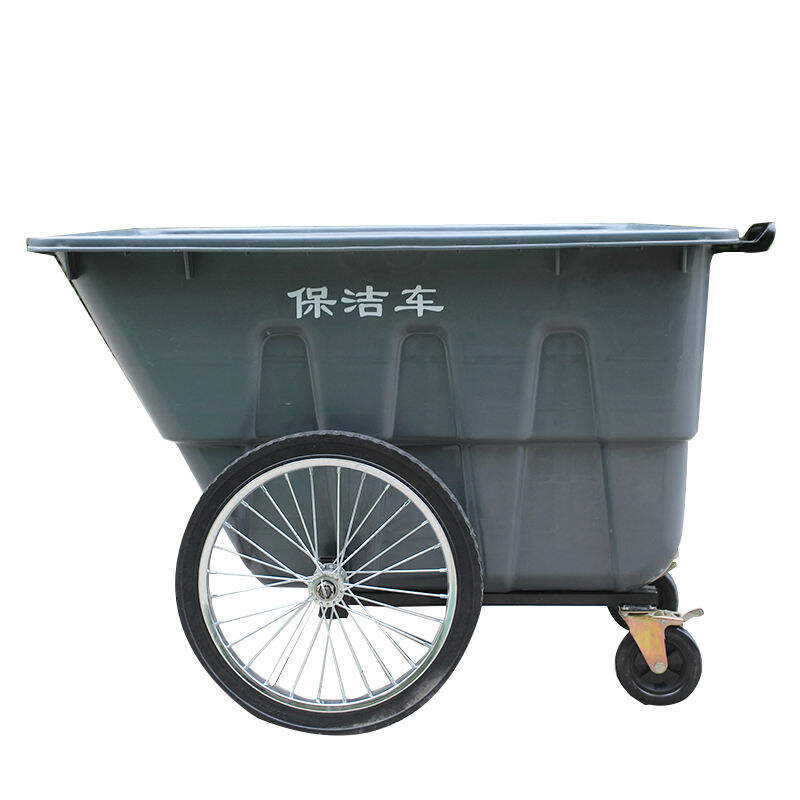
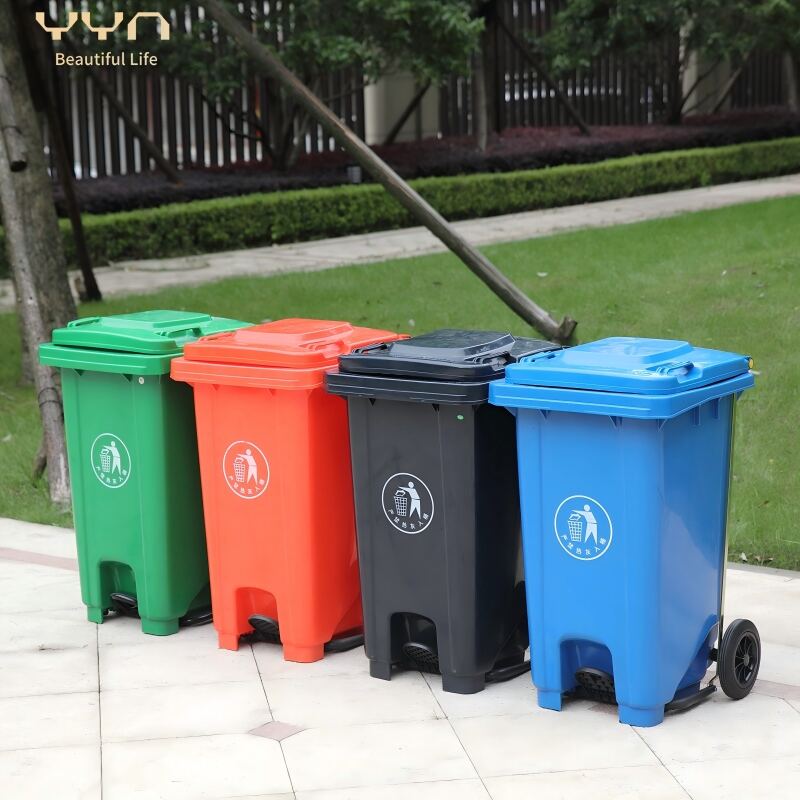
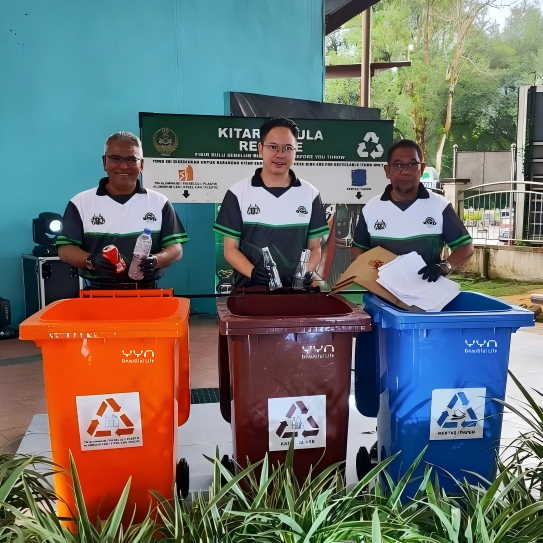
The eco-friendly recycling bin system represents a revolutionary approach to waste management that combines innovative technology with sustainable practices to address the growing environmental challenges of our time. This comprehensive solution encompasses intelligent sorting mechanisms, user-friendly interfaces, and advanced monitoring capabilities designed to maximize recycling efficiency while minimizing environmental impact. At its core, the eco-friendly recycling bin system integrates smart sensors that automatically identify different types of recyclable materials, including plastics, metals, glass, and paper products. These sensors utilize cutting-edge recognition technology to ensure accurate categorization, reducing contamination rates and improving the quality of recycled materials. The system features multiple compartments with clearly labeled sections, making it simple for users to dispose of their waste correctly without requiring extensive knowledge of recycling protocols. The technological infrastructure includes IoT connectivity, allowing facility managers to monitor fill levels remotely and optimize collection schedules based on actual usage patterns rather than predetermined routes. This data-driven approach significantly reduces unnecessary collections, lowering fuel consumption and carbon emissions associated with waste management operations. The eco-friendly recycling bin system also incorporates durable, weather-resistant materials constructed from recycled content, demonstrating a commitment to circular economy principles. Solar-powered compaction mechanisms in premium models can reduce waste volume by up to seventy percent, extending the time between collections and further decreasing operational costs. Applications for this versatile system span residential communities, commercial office buildings, educational institutions, healthcare facilities, retail centers, and public spaces. The modular design allows for customization based on specific needs, whether for small households or large-scale industrial operations. Educational components integrated into the system provide real-time feedback to users, promoting awareness about recycling practices and environmental responsibility while gamification features encourage participation through reward programs and achievement tracking.
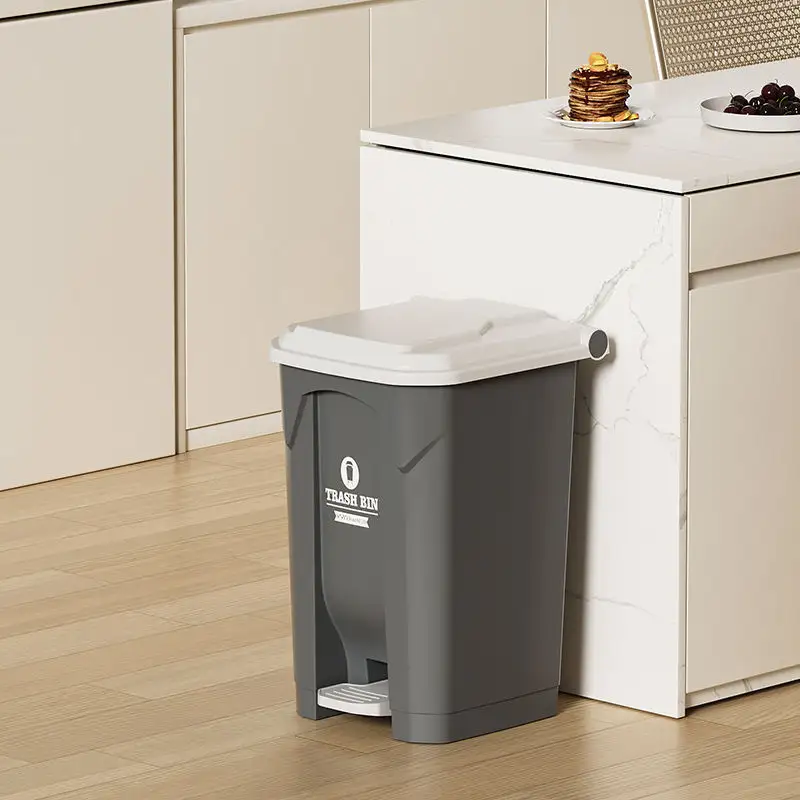
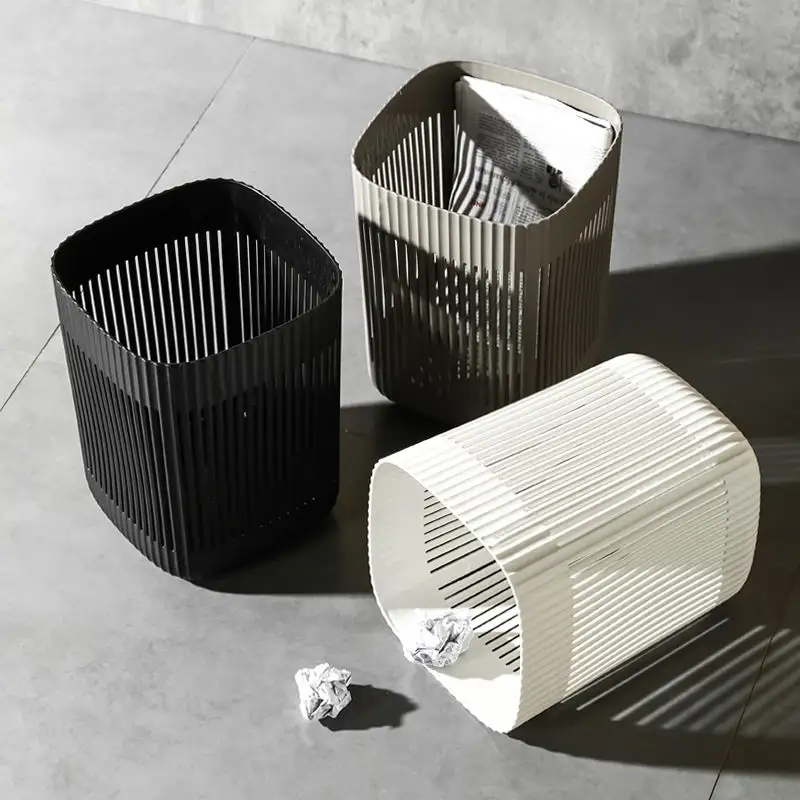
New Product Recommendations

Implementing an eco-friendly recycling bin system delivers substantial practical benefits that directly impact both operational efficiency and environmental outcomes for organizations and communities. First and foremost, users experience significant cost savings through optimized waste collection schedules that eliminate unnecessary trips and reduce labor expenses. The intelligent monitoring capabilities provide real-time data about fill levels, enabling waste management teams to plan routes efficiently and deploy resources only when needed. This precision reduces fuel consumption by up to forty percent compared to traditional fixed-schedule collections, translating into immediate budget relief for facility managers. The automated sorting features dramatically decrease contamination rates, which means higher-quality recycled materials that command better prices in commodity markets. When recyclables remain uncontaminated, processing facilities can operate more efficiently, and the materials retain greater value, creating potential revenue streams rather than pure cost centers. Organizations using the eco-friendly recycling bin system typically see contamination rates drop from thirty percent to below five percent within the first year of implementation. Enhanced user experience stands as another compelling advantage, as the intuitive design removes guesswork from the recycling process. Clear visual indicators, simple instructions, and immediate feedback help people make correct disposal decisions without frustration or confusion. This ease of use increases participation rates significantly, with studies showing improvement of up to sixty percent in recycling compliance when switching from conventional bins to smart systems. The environmental impact cannot be overstated, as proper waste separation ensures more materials avoid landfills and return to productive use in manufacturing cycles. Each ton of material correctly recycled through the eco-friendly recycling bin system prevents approximately two tons of carbon dioxide equivalent emissions compared to landfill disposal. The durability of these systems means fewer replacements over time, reducing manufacturing demand and associated environmental footprints. Maintenance requirements remain minimal due to robust construction and self-diagnostic features that alert managers to potential issues before they become serious problems. The modular nature allows for easy expansion as needs grow, protecting initial investments and providing scalability without complete system replacement. Communities benefit from cleaner public spaces as overflow situations become rare due to proactive monitoring, while educational components foster long-term behavioral changes that extend beyond the immediate interaction with the bins themselves. The data analytics capabilities provide valuable insights into waste generation patterns, enabling organizations to develop targeted reduction strategies and measure progress toward sustainability goals with concrete metrics rather than estimates.

Practical Tips

Abei Launches New HDPE Trash Bins: More Durable for Outdoor Use

22

Jan

Abei Launches New HDPE Trash Bins: More Durable for Outdoor Use

View More
Abei Partners with Southeast Asian Sanitation Company: Overseas Market Growth

22

Jan

Abei Partners with Southeast Asian Sanitation Company: Overseas Market Growth

View More
Abei’s Taobao Store Reaches 5,000 Followers: C-end Market Expansion

22

Jan

Abei’s Taobao Store Reaches 5,000 Followers: C-end Market Expansion

View More

Get a Free Quote

Our representative will contact you soon.
Email
Mobile/WhatsApp
Name
Company Name
Attachment
Please upload at least an attachment
Up to 3 files, each no larger than 30MB. Supported formats: jpg, jpeg, png, pdf, doc, docx, xls, xlsx, csv, txt, stp, step, igs, x_t, dxf, prt, sldprt, sat, rar, zip.
Message
0/1000

eco-friendly recycling bin system

Intelligent Sorting Technology for Maximum Recycling Efficiency

Intelligent Sorting Technology for Maximum Recycling Efficiency

The cornerstone feature of the eco-friendly recycling bin system lies in its sophisticated intelligent sorting technology that fundamentally transforms how waste separation occurs at the point of disposal. Unlike conventional recycling bins that rely entirely on user knowledge and diligence, this system employs advanced sensor arrays and artificial intelligence algorithms to identify material composition instantly. When a user approaches the bin with an item, multiple detection methods work simultaneously to analyze the object. Optical sensors scan surface characteristics, identifying visual markers such as recycling symbols, color patterns, and material texture. Weight sensors calculate density, helping distinguish between similar-looking materials like different plastic types. In premium configurations, spectroscopic analysis can detect molecular signatures, providing definitive material identification even for complex composite items. This multi-layered approach achieves identification accuracy exceeding ninety-five percent, far surpassing human sorting capabilities. The system then guides users through illuminated compartment indicators or automated door mechanisms that open only the appropriate section, making correct disposal nearly foolproof. This technological innovation addresses the fundamental challenge that has plagued recycling programs for decades: contamination from improperly sorted materials. When non-recyclable items mix with recyclables, entire batches often become unusable and end up in landfills despite good intentions. The eco-friendly recycling bin system virtually eliminates this problem by catching errors before they occur. The learning algorithms continuously improve performance by analyzing patterns and updating recognition databases through cloud connectivity. This means the system becomes smarter over time, adapting to new packaging designs and material innovations without requiring hardware upgrades. For organizations, this translates into consistently high-quality recyclable output that maintains maximum market value and supports genuine circular economy participation. The technology also generates detailed analytics about what materials people dispose of most frequently, providing actionable insights for waste reduction initiatives and supplier negotiations to favor more recyclable packaging options.
Comprehensive Monitoring and Data Analytics Platform

Comprehensive Monitoring and Data Analytics Platform

The eco-friendly recycling bin system distinguishes itself through an integrated monitoring and analytics platform that brings unprecedented visibility to waste management operations. Every unit connects to a centralized dashboard via secure wireless networks, transmitting real-time information about fill levels, usage patterns, maintenance needs, and performance metrics. Facility managers access this information through intuitive web interfaces or mobile applications, gaining complete operational awareness without physical inspections. The fill-level monitoring employs ultrasonic and weight sensors that measure contents accurately regardless of material density or distribution within compartments. When any section reaches a predetermined threshold, typically seventy-five to eighty percent capacity, the system automatically generates collection alerts with precise location data and priority rankings. This capability revolutionizes logistics planning by enabling dynamic routing that responds to actual needs rather than arbitrary schedules. Collection teams receive optimized routes that minimize travel distance and time, reducing operational costs while improving service reliability. The environmental benefits extend beyond efficiency gains, as fewer collection vehicles on roads mean lower emissions, reduced traffic congestion, and decreased road wear. The analytics capabilities provide strategic value that extends far beyond daily operations. Historical data reveals trends in waste generation, identifying seasonal variations, event impacts, and long-term patterns that inform capacity planning and resource allocation. Organizations can benchmark performance across multiple locations, identifying best practices at high-performing sites and addressing challenges where recycling rates lag. The eco-friendly recycling bin system tracks diversion rates automatically, calculating the percentage of waste successfully recycled versus sent to landfills, providing concrete metrics for sustainability reporting and goal tracking. Predictive maintenance features analyze operational data to identify potential equipment issues before failures occur, scheduling service proactively to avoid downtime. Temperature sensors detect fire risks from improperly disposed batteries or chemicals, triggering immediate alerts to prevent dangerous situations. User interaction data helps organizations understand behavioral patterns, revealing peak usage times, common sorting errors, and educational opportunities. This comprehensive information ecosystem transforms waste management from a reactive service function into a strategic operational advantage that drives continuous improvement and demonstrates measurable environmental stewardship.
Sustainable Design and Long-Term Durability

Sustainable Design and Long-Term Durability

The physical construction of the eco-friendly recycling bin system exemplifies commitment to sustainability principles through every material choice and design decision. Manufacturers produce these units primarily from post-consumer recycled materials, with many models containing seventy to ninety percent recycled content, including recycled plastics from ocean cleanup initiatives and reclaimed metals from decommissioned industrial equipment. This approach closes the loop, demonstrating that recycled materials can create high-quality, long-lasting products rather than just lower-grade applications. The structural engineering prioritizes longevity through reinforced construction that withstands harsh weather conditions, heavy usage, and potential vandalism. Corrosion-resistant coatings protect metal components in coastal environments or areas with heavy precipitation, while UV-stabilized plastics prevent degradation from constant sun exposure. These durability features ensure the eco-friendly recycling bin system remains functional and attractive for fifteen to twenty years under normal conditions, dramatically reducing replacement frequency compared to conventional bins that typically require renewal every three to five years. The extended lifespan means fewer resources consumed in manufacturing, lower transportation emissions from replacement deliveries, and reduced waste from discarded equipment. Energy efficiency represents another critical sustainability dimension, with solar panels integrated into many models providing sufficient power for all electronic functions without grid connection. This renewable energy approach eliminates operating electricity costs while enabling installation in locations without electrical infrastructure, expanding deployment possibilities to parks, trails, beaches, and remote facilities. The solar systems include battery backup ensuring continuous operation during extended cloudy periods. Maintenance accessibility receives careful attention in the design phase, with modular components that allow quick replacement of individual parts rather than entire assemblies. Tool-free access panels enable service personnel to perform routine maintenance efficiently, while standardized components across model ranges simplify inventory management and reduce spare parts costs. The eco-friendly recycling bin system includes antimicrobial surfaces that inhibit bacterial growth, maintaining sanitary conditions with minimal cleaning intervention and reducing water and chemical usage in maintenance operations. Aesthetic considerations ensure these functional units enhance rather than detract from their surroundings, with customizable exterior panels that can match architectural styles or display educational graphics and branding elements. This attention to visual integration increases community acceptance and pride in recycling infrastructure, supporting higher engagement rates and better long-term program success.

Get a Free Quote

Our representative will contact you soon.
Email
Mobile/WhatsApp
Name
Company Name
Attachment
Please upload at least an attachment
Up to 3 files, each no larger than 30MB. Supported formats: jpg, jpeg, png, pdf, doc, docx, xls, xlsx, csv, txt, stp, step, igs, x_t, dxf, prt, sldprt, sat, rar, zip.
Message
0/1000