Industrial Dustbins - Heavy-Duty Waste Management Solutions for Commercial and Manufacturing Facilities

dustbin for industrial use

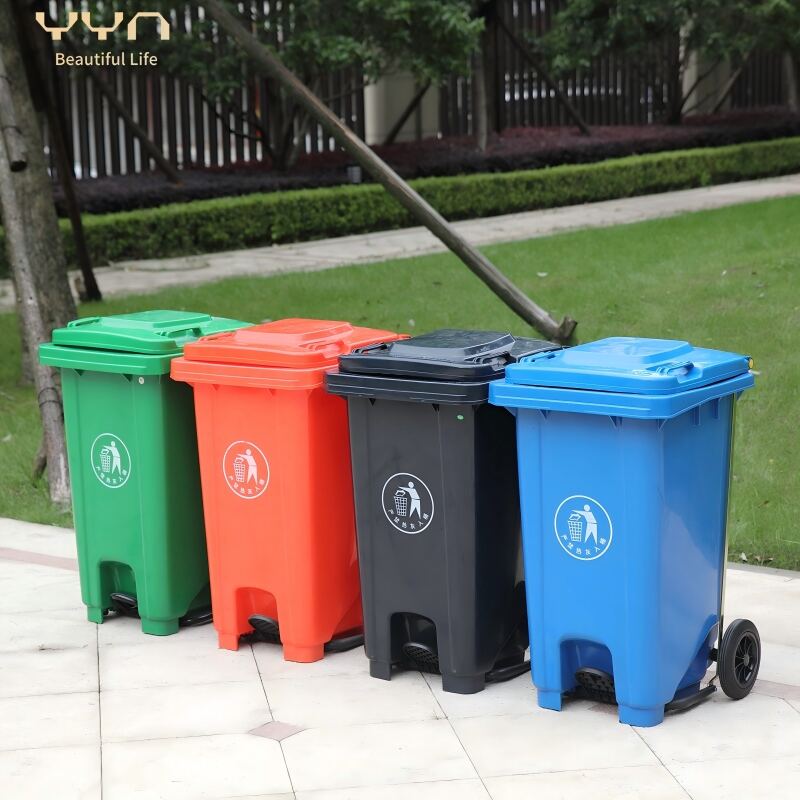
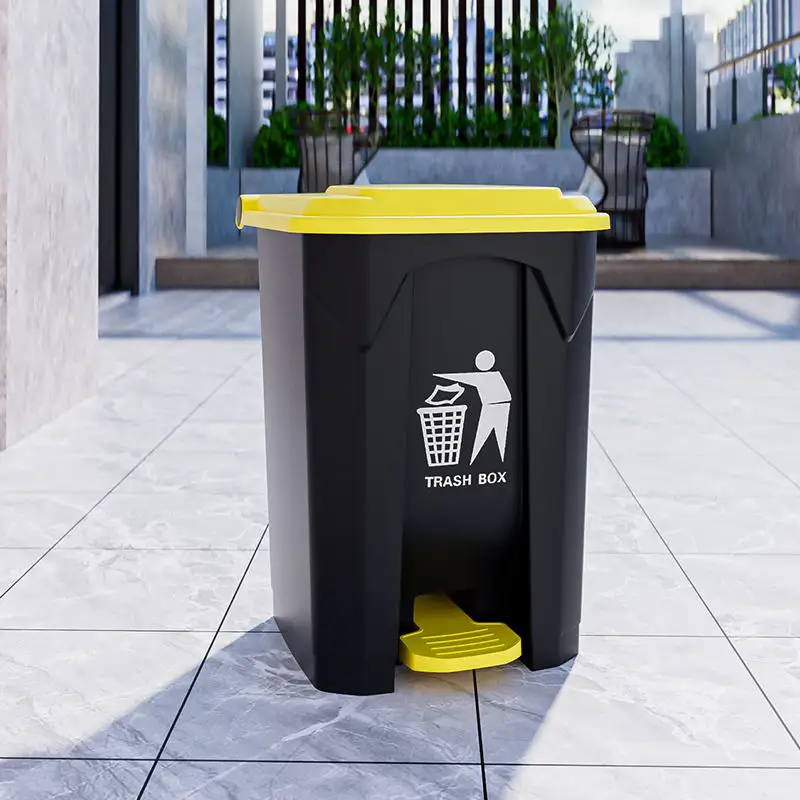
A dustbin for industrial use represents a critical component in modern workplace safety and efficiency management systems. These specialized waste containers are engineered to handle the demanding requirements of manufacturing plants, warehouses, construction sites, and heavy-duty commercial operations. Unlike standard residential waste bins, industrial dustbins are built with reinforced materials and innovative designs that address the unique challenges of high-volume waste generation, hazardous material containment, and rigorous daily usage. The primary function of a dustbin for industrial use extends beyond simple waste collection. These containers serve as essential tools for maintaining organized work environments, ensuring regulatory compliance, and protecting worker health. They facilitate proper waste segregation, allowing facilities to separate recyclable materials, general waste, and potentially dangerous substances efficiently. Modern industrial dustbins incorporate advanced technological features such as foot-operated lids to minimize hand contact, wheeled bases for easy mobility across large facilities, and nested stacking capabilities for space-efficient storage when not in use. Many models feature color-coded designs that simplify waste stream identification and support comprehensive recycling programs. The construction typically involves high-density polyethylene or heavy-gauge steel, materials chosen for their exceptional durability, chemical resistance, and ability to withstand extreme temperatures. Industrial dustbins find applications across diverse sectors including automotive manufacturing, food processing plants, pharmaceutical facilities, logistics centers, and municipal services. Their capacity ranges from compact 50-liter units for workstation-specific needs to massive 1100-liter containers designed for centralized collection points. The versatility of a dustbin for industrial use makes it indispensable for organizations committed to operational excellence, environmental responsibility, and workplace safety standards.

New Products

Investing in a quality dustbin for industrial use delivers substantial practical benefits that directly impact your bottom line and operational efficiency. First and foremost, these containers dramatically improve workplace safety by providing secure containment for potentially harmful materials. Sharp metal scraps, chemical-soaked rags, and other dangerous waste items stay properly enclosed, reducing injury risks for your employees. The robust construction prevents accidental spills and leaks that could create hazardous walking surfaces or environmental contamination. Your workers can focus on productive tasks rather than managing waste-related accidents. Cost savings represent another compelling advantage. A durable dustbin for industrial use withstands years of heavy-duty service without requiring frequent replacements. The initial investment pays dividends through longevity, eliminating the recurring expenses associated with constantly replacing inferior containers. Additionally, proper waste management helps you avoid costly regulatory fines. Compliance with environmental and safety regulations becomes straightforward when you have appropriate containers for different waste types. The mobility features of modern industrial dustbins save considerable time and labor. Wheeled designs allow a single worker to transport large volumes of waste efficiently, reducing the manpower needed for waste management operations. This mobility also enables strategic placement throughout your facility, minimizing the distance workers travel to dispose of materials and keeping production areas cleaner with less effort. Enhanced organizational capabilities transform chaotic work environments into streamlined operations. Color-coded systems and clear labeling options make waste sorting intuitive, even for new employees. This simplicity reduces training time and ensures consistent compliance with your waste management protocols. Your facility maintains a professional appearance that impresses clients and inspectors alike. The hygiene benefits cannot be overstated. Secure lids contain odors and prevent pest infestations that threaten product quality and worker comfort. Easy-to-clean surfaces on a dustbin for industrial use simplify sanitation routines, helping you maintain the strict cleanliness standards required in food processing, healthcare, and pharmaceutical environments. Environmental responsibility becomes achievable when you have the right tools. Proper segregation facilitated by dedicated industrial dustbins maximizes recycling rates and minimizes landfill contributions. Many organizations find that improved waste sorting reveals opportunities to reduce material costs and even generate revenue from recyclable commodities. The versatility of industrial dustbins adapts to your evolving needs, accommodating changes in production processes or waste streams without requiring complete system overhauls.

Latest News

Abei Launches New HDPE Trash Bins: More Durable for Outdoor Use

22

Jan

Abei Launches New HDPE Trash Bins: More Durable for Outdoor Use

View More
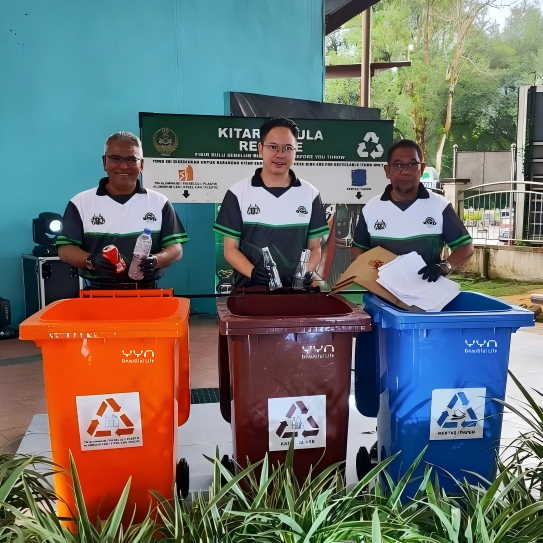
Abei Partners with Southeast Asian Sanitation Company: Overseas Market Growth

22

Jan

Abei Partners with Southeast Asian Sanitation Company: Overseas Market Growth

View More
Abei’s Taobao Store Reaches 5,000 Followers: C-end Market Expansion

22

Jan

Abei’s Taobao Store Reaches 5,000 Followers: C-end Market Expansion

View More

Get a Free Quote

Our representative will contact you soon.
Email
Mobile/WhatsApp
Name
Company Name
Attachment
Please upload at least an attachment
Up to 3 files, each no larger than 30MB. Supported formats: jpg, jpeg, png, pdf, doc, docx, xls, xlsx, csv, txt, stp, step, igs, x_t, dxf, prt, sldprt, sat, rar, zip.
Message
0/1000

dustbin for industrial use

Exceptional Durability Engineered for Demanding Industrial Environments

Exceptional Durability Engineered for Demanding Industrial Environments

The construction quality of a dustbin for industrial use sets it apart from conventional waste containers through materials and engineering specifically selected to endure punishing conditions. Manufacturers utilize high-density polyethylene plastics that resist cracking even under extreme temperature fluctuations, from freezing cold storage facilities to hot manufacturing floors. This material choice ensures that your containers maintain structural integrity whether exposed to scorching summer heat or winter cold snaps. The chemical resistance properties prove invaluable in facilities handling solvents, oils, acids, and other aggressive substances that would quickly degrade standard bins. Steel options offer even greater impact resistance for environments where containers face collision risks from forklifts, heavy equipment, or falling materials. Reinforced rims and bases distribute stress loads effectively, preventing the deformation that leads to lid misalignment and compromised containment. The engineering extends to thoughtful details like UV stabilization that prevents sun exposure from making plastics brittle, ensuring outdoor dustbins remain reliable for years. Heavy-duty wheels incorporate industrial-grade bearings that roll smoothly even when fully loaded, with mounting brackets designed to absorb impacts without breaking. This durability translates directly into total cost of ownership advantages. While a dustbin for industrial use requires higher upfront investment than consumer-grade alternatives, the extended service life means lower annualized costs. Facilities avoid the disruption and expense of frequent replacements, maintaining operational continuity. The containers retain their professional appearance throughout their service life, resisting the staining and warping that makes cheaper bins look neglected. Environmental considerations also favor durable construction, as longer-lasting containers reduce the waste generated by disposing of worn-out bins. Many industrial dustbins incorporate recycled materials in their construction, supporting circular economy principles while maintaining performance standards. The robust design withstands the rigors of commercial waste collection services, preventing damage during mechanical emptying processes that can destroy residential-style containers. For organizations managing multiple facilities, standardizing on quality industrial dustbins creates consistency in waste management protocols and simplifies maintenance inventory management.
Advanced Mobility Systems That Enhance Operational Efficiency

Advanced Mobility Systems That Enhance Operational Efficiency

The mobility features integrated into a dustbin for industrial use revolutionize waste management workflows by eliminating the physical strain and time waste associated with traditional containers. Professional-grade wheel systems transform heavy waste loads into manageable transport tasks that single operators handle efficiently. Four-wheel configurations provide superior stability compared to two-wheeled designs, preventing tip-overs even when navigating uneven surfaces or threshold transitions common in industrial facilities. The wheel diameter matters significantly, with larger wheels rolling smoothly over debris, cables, and minor floor irregularities that would stop smaller wheels. Facilities with varied flooring types benefit from wheels designed to protect surfaces while providing reliable traction. Rubber tread options prevent floor marking while absorbing shock loads, important considerations in warehouses with polished concrete or epoxy-coated floors. The placement of wheels beneath the container rather than extending beyond the footprint prevents snagging on doorframes and equipment, allowing a dustbin for industrial use to navigate tight spaces without difficulty. Swivel casters on front wheels combine with fixed rear wheels to create precise maneuverability, enabling operators to position containers exactly where needed without awkward lifting or dragging. Ergonomic handle designs complement the wheel systems by providing comfortable grip positions that allow natural body mechanics during pushing and pulling. Handles positioned at appropriate heights reduce back strain and enable operators to apply force efficiently. Some advanced models incorporate telescoping handles that adjust for different operator heights, promoting proper posture during waste transport. The mobility advantages extend beyond operator comfort to impact facility layout flexibility. Portable industrial dustbins adapt to changing production configurations, supporting lean manufacturing principles by positioning waste collection points precisely where needed. Temporary project areas receive appropriate waste management infrastructure without permanent installations. The ability to quickly relocate containers supports deep cleaning operations and equipment maintenance by clearing floor space efficiently. During emergencies, mobile dustbins facilitate rapid containment of spills or contaminated materials, supporting response protocols. The ease of movement encourages more frequent waste removal, preventing overflow situations that create safety hazards and unsightly conditions. Maintenance benefits include simplified cleaning, as containers wheel easily to wash stations rather than requiring cleaning in place. This mobility makes a dustbin for industrial use a dynamic tool that adapts to your operational needs rather than a static fixture that constrains workflow options.
Intelligent Design Features That Promote Safety and Compliance

Intelligent Design Features That Promote Safety and Compliance

The sophisticated design elements incorporated into a dustbin for industrial use address complex regulatory requirements and safety concerns that standard containers simply cannot meet. Foot-operated lid mechanisms represent one of the most impactful hygiene innovations, allowing hands-free operation that prevents cross-contamination in food processing and healthcare environments. Workers handling raw materials or potentially contaminated items dispose of waste without touching bin surfaces, breaking transmission chains for pathogens. The spring-loaded or counterbalanced lid systems close automatically, maintaining containment integrity and controlling odor release. This automatic closure proves especially valuable in temperature-controlled environments where open containers allow conditioned air to escape. Color-coding systems transform waste segregation from a confusing challenge into an intuitive process that even temporary workers master quickly. Standardized color schemes align with international best practices, with specific colors designated for general waste, recyclables, organic materials, and hazardous substances. Visual clarity reduces sorting errors that contaminate recycling streams or create compliance violations. Labels and pictogram options overcome language barriers in diverse workforces, ensuring everyone understands proper disposal procedures for a dustbin for industrial use. Capacity indicators built into container designs prevent overfilling, a common source of spillage and pest attraction. Transparent sections or fill-level markings provide at-a-glance status checks, enabling proactive waste removal before problems develop. This feature supports efficient route planning for waste collection teams, reducing unnecessary trips while preventing overflow situations. Locking mechanisms address security concerns in facilities handling confidential documents or valuable scrap materials. Keyed or combination locks restrict access, preventing unauthorized disposal or retrieval. This security proves essential for maintaining chain-of-custody requirements in regulated industries. Stackable and nestable designs revolutionize storage efficiency when containers await deployment or during cleaning rotations. Empty bins occupy minimal floor space, freeing valuable square footage in crowded facilities. The ability to efficiently store spare capacity supports seasonal demand fluctuations without requiring permanent space allocations. Drainage features in container bottoms prevent liquid accumulation that causes odors and bacterial growth, particularly important for organic waste applications. Perforated options suit specific industrial processes where liquids need to drain while retaining solid materials. Reflective strips and high-visibility colors enhance safety in low-light conditions or high-traffic areas, preventing collisions between mobile equipment and waste containers. These thoughtful design elements demonstrate how a dustbin for industrial use transcends basic functionality to become a comprehensive solution for modern industrial waste management challenges.

Get a Free Quote

Our representative will contact you soon.
Email
Mobile/WhatsApp
Name
Company Name
Attachment
Please upload at least an attachment
Up to 3 files, each no larger than 30MB. Supported formats: jpg, jpeg, png, pdf, doc, docx, xls, xlsx, csv, txt, stp, step, igs, x_t, dxf, prt, sldprt, sat, rar, zip.
Message
0/1000