 EN
EN

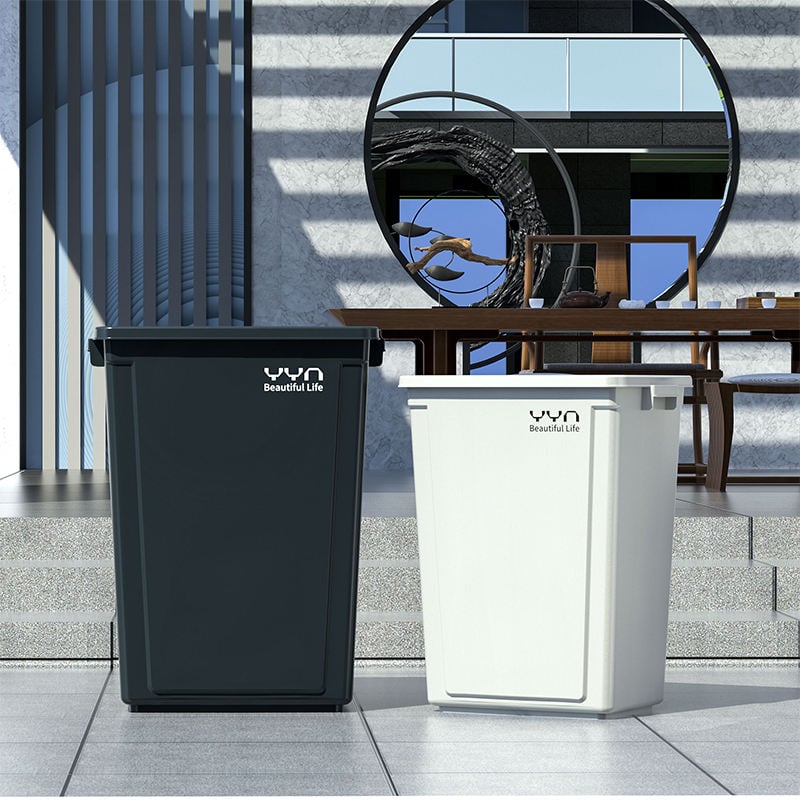
Effective waste management is a cornerstone of operational efficiency and environmental responsibility across industries. Custom trash bins represent a strategic investment that transforms how organizations handle waste streams, reduce disposal costs, and maintain cleaner facilities. When tailored to specific organizational needs, custom trash bins deliver measurable improvements in workflow, employee compliance, and sustainability metrics that generic solutions simply cannot match.
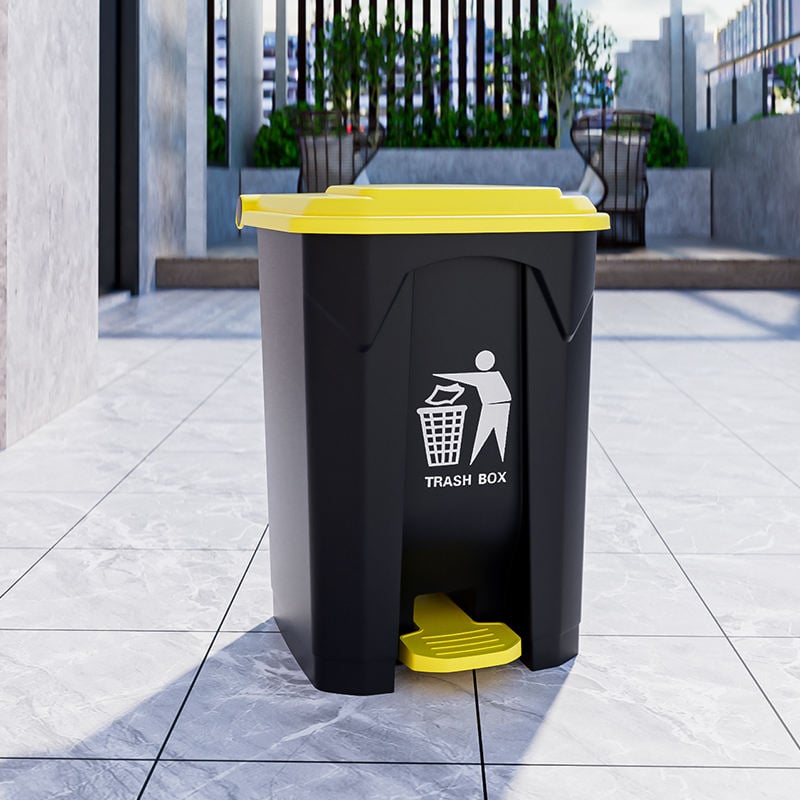
Organizations today face mounting pressure to optimize waste management while adhering to regulatory standards and sustainability goals. Custom trash bins address this challenge by providing targeted solutions designed for specific waste categories, facility layouts, and operational workflows. Unlike one-size-fits-all bins, custom trash bins enable businesses to establish clear waste segregation protocols, minimize contamination, and accelerate collection cycles that reduce overall waste management burden.
Understanding Custom Trash Bins and Their Strategic Role
What Define Custom Trash Bins in Modern Facilities
Custom trash bins extend far beyond standard municipal receptacles. These specialized containers are engineered to meet particular organizational requirements, featuring tailored capacities, materials, access mechanisms, and branding elements. Custom trash bins can incorporate foot-pedal operation, color-coding systems, segmented compartments, and ergonomic designs that align with specific waste streams and employee workflows. The strategic deployment of custom trash bins transforms waste management from a compliance necessity into an operational efficiency tool.
The distinction between generic bins and custom trash bins lies in purposeful design. Custom trash bins account for facility-specific factors such as foot traffic patterns, waste volume variations, regulatory requirements, and space constraints. Whether deployed in healthcare facilities, food service establishments, manufacturing plants, or corporate offices, custom trash bins optimize the entire collection ecosystem by reducing handling time, minimizing spillage, and enabling data-driven waste tracking. Organizations implementing custom trash bins report faster waste removal cycles and lower per-unit disposal costs.
Core Benefits of Custom Trash Bins Implementation
Custom trash bins deliver quantifiable efficiency gains through streamlined waste segregation and accelerated disposal workflows. By positioning custom trash bins strategically throughout facilities, organizations eliminate unnecessary trips, reduce contamination during collection, and empower employees to participate actively in proper waste management. The visibility and clarity provided by custom trash bins, particularly those with color-coding or category labels, reduce employee confusion and encourage compliance with waste protocols. Facilities report 25 to 40 percent reductions in overall waste handling time after deploying custom trash bins designed for their specific operations.
Beyond operational efficiency, custom trash bins strengthen environmental compliance and sustainability positioning. When custom trash bins are configured to support recycling streams, organic waste separation, and hazardous material containment, organizations achieve measurable reductions in landfill contributions. Custom trash bins enable facilities to track waste composition more accurately, identify reduction opportunities, and demonstrate environmental stewardship to stakeholders and regulatory bodies. The improved waste segregation enabled by custom trash bins often translates to reduced tipping fees and enhanced corporate sustainability credentials.
Implementing Custom Trash Bins Across Operational Zones
Design and Placement Strategy for Custom Trash Bins
Successful deployment of custom trash bins begins with comprehensive waste audits and facility mapping. Organizations must analyze waste generation patterns, identify high-volume areas, and understand specific waste categories flowing through different operational zones. Custom trash bins should be positioned at point-of-generation locations to minimize transport distance and encourage proper sorting. Strategic placement of custom trash bins near break rooms, production areas, offices, and exit points dramatically improves employee engagement and compliance with waste protocols. Facilities implementing placement optimization alongside custom trash bins achieve immediate reductions in contamination rates and collection inefficiencies.
The physical characteristics of custom trash bins must align with facility workflows and accessibility standards. Ergonomic custom trash bins with foot-pedal operations reduce hand contact, improving hygiene in food service and healthcare environments. Custom trash bins sized appropriately for specific waste volumes prevent overflow conditions while minimizing unnecessary collection cycles. The choice of materials for custom trash bins—whether durable plastic, metal, or composite construction—affects longevity, maintenance requirements, and suitability for specialized waste streams such as medical waste or recyclables requiring specific handling protocols.
Integration with Waste Management Systems
Custom trash bins function most effectively when integrated into comprehensive waste management systems that include clear labeling, employee training, and collection scheduling. Advanced custom trash bins may incorporate monitoring sensors that alert facility managers when containers reach capacity, enabling optimized collection routes and preventing overflow incidents. Organizations leveraging custom trash bins alongside digital tracking systems gain real-time visibility into waste generation patterns, enabling continuous process improvement and cost reduction initiatives. The integration of custom trash bins with existing facility management infrastructure ensures sustained compliance and operational excellence.
Training and change management are critical to maximizing the efficiency gains from custom trash bins. Employees must understand the purpose of segregated custom trash bins, the correct placement of specific waste types, and their role in organizational sustainability goals. Facilities that conduct comprehensive training programs alongside custom trash bins deployment see rapid adoption, improved contamination rates, and sustained behavioral change. Custom trash bins serve as visual reminders and organizational touchpoints that reinforce waste management culture and individual employee responsibility.
Measuring Waste Management Efficiency Through Custom Trash Bins
Key Metrics and Performance Indicators
Organizations implementing custom trash bins should establish baseline metrics before deployment to quantify subsequent improvements. Waste volume per employee, contamination rates, disposal costs, and collection frequency serve as primary indicators of efficiency. Custom trash bins enable more accurate measurement of waste composition by facilitating proper segregation, allowing facilities to calculate recycling rates, landfill diversion percentages, and cost savings with confidence. Tracking metrics related to custom trash bins performance validates return on investment and justifies continued expansion across facility footprints.
The efficiency impact of custom trash bins extends beyond waste volumes to encompass operational labor costs and environmental outcomes. Facilities measure collection time per zone, employee productivity improvements, and customer satisfaction related to facility cleanliness. Custom trash bins reduce the physical strain on collection staff through optimized placement and sizing, improving safety and reducing worker fatigue. Environmental metrics tracked through custom trash bins initiatives include greenhouse gas reductions from decreased landfill contributions, water savings in waste processing, and corporate sustainability index improvements that enhance brand reputation.
Financial Impact and Cost Reduction Opportunities
Custom trash bins represent an investment that generates returns through multiple efficiency channels. Direct cost savings emerge from reduced disposal volumes, optimized collection routes, and decreased waste handling labor. Indirect financial benefits include reduced equipment wear from prevention of contamination damage, lower liability exposure from improved safety and hygiene, and avoided regulatory penalties from enhanced compliance. Organizations typically recover initial custom trash bins investments within 18 to 36 months through accumulating efficiency gains and waste reduction achievements.
Long-term financial planning should account for the scalability of custom trash bins solutions. As facilities expand or modify operations, custom trash bins can be reconfigured, relocated, or upgraded to accommodate changing needs without complete replacement. The modular nature of many custom trash bins systems enables cost-effective scaling and adaptation, ensuring sustained efficiency gains as organizational waste streams evolve. Facilities that view custom trash bins as infrastructure investments rather than consumable expenses maximize their financial and operational benefits over extended facility lifecycles.
FAQ
How do custom trash bins differ from standard waste containers?
Custom trash bins are purpose-built solutions designed for specific organizational needs, waste types, and operational workflows. Standard containers offer generic capacity and basic functionality, while custom trash bins incorporate tailored features such as foot-pedal mechanisms, color-coding, segmented compartments, optimized sizing, and ergonomic design. Custom trash bins address facility-specific requirements for waste segregation, regulatory compliance, and employee engagement, delivering efficiency improvements that generic solutions cannot match. Organizations benefit from custom trash bins through faster collection cycles, reduced contamination, and measurable waste management cost reductions.
What industries benefit most from implementing custom trash bins?
Healthcare facilities, food service operations, manufacturing plants, retail establishments, and corporate offices all benefit significantly from custom trash bins deployment. Healthcare facilities require custom trash bins for biohazard waste segregation and infection control compliance. Food service operations use custom trash bins for organic waste separation and recycling streams. Manufacturing plants deploy custom trash bins near production areas to capture specific waste categories efficiently. Corporate offices implement custom trash bins to support sustainability initiatives and employee engagement. Any organization with diverse waste streams or significant waste volumes experiences quantifiable efficiency gains from deploying thoughtfully designed custom trash bins solutions.
What should organizations consider when selecting custom trash bins?
Organizations should conduct comprehensive waste audits to understand current waste generation patterns, identify high-volume areas, and determine specific waste categories requiring segregation. Facility layout, accessibility requirements, employee preferences, and space constraints should inform custom trash bins specifications. Material durability, maintenance requirements, compatibility with collection equipment, and cost-effectiveness deserve careful evaluation. A custom trash bins solution should support organizational sustainability goals, regulatory compliance, and operational efficiency objectives while remaining user-friendly for diverse employee populations. Testing custom trash bins through pilot deployments in specific zones allows organizations to refine specifications before facility-wide rollout.