 EN
EN

Every industry generates waste, but the type, volume, and composition of that waste varies dramatically depending on the sector. Manufacturing facilities produce materials far different from healthcare settings, restaurants handle organic waste that requires different management than retail stores, and construction sites need containment solutions entirely unlike office environments. Standard, one-size-fits-all trash bins simply cannot meet these diverse operational demands. This is where custom trash bins become essential infrastructure for effective waste management. By tailoring bin design, size, material, and features to match specific industry requirements, organizations can improve efficiency, enhance safety, reduce disposal costs, and meet regulatory compliance standards.
Industries are increasingly moving away from generic waste containers toward purpose-built solutions because generic bins lead to contamination, overflow issues, missed recycling opportunities, and safety hazards. Custom trash bins address these problems by aligning container specifications with actual waste streams, operational workflows, and industry-specific regulations. Whether managing hazardous materials, segregating recyclables, accommodating high-volume disposal, or maintaining sanitary conditions, properly designed custom trash bins transform waste management from a compliance burden into an operational advantage.
Understanding Industry-Specific Waste Requirements
The Challenge of Diverse Waste Streams
Different industries produce fundamentally different waste compositions that demand specialized handling approaches. Manufacturing plants generate metal scraps, packaging materials, and manufacturing byproducts requiring robust, large-capacity containers. Food service operations produce organic waste, packaging, and grease-contaminated materials needing frequent emptying and hygienic design. Healthcare facilities must segregate biohazardous waste, pharmaceutical waste, and general medical refuse into separate streams following strict regulations. Construction sites accumulate bulky debris, demolition materials, and mixed waste that exceeds standard bin dimensions. Each of these scenarios requires custom trash bins engineered for that specific context, not generic containers that cannot accommodate the physical, volume, or regulatory requirements.
Regulatory Compliance and Safety Considerations
Beyond operational efficiency, industries face regulatory mandates governing waste containment, labeling, segregation, and disposal. Chemical manufacturers must use custom trash bins with chemical-resistant materials and secondary containment. Pharmaceutical companies require locked bins to prevent diversion of controlled substances. Food processing facilities need bins that prevent pest access while facilitating rapid sanitation cycles. Healthcare organizations must use bins marked with biohazard symbols in designated colors. Custom trash bins designed to meet these regulatory specifications prevent violations, reduce liability exposure, and demonstrate institutional commitment to safety and compliance. Generic bins cannot satisfy these regulatory mandates, making custom solutions not optional but legally necessary in regulated industries.
Tailoring Custom Trash Bins to Industry Operations
Size, Capacity, and Volume Optimization
Custom trash bins must be engineered to match the actual waste generation rates of their operational environment. A busy food court might need multiple high-capacity custom trash bins positioned strategically to handle peak-hour disposal volumes, while a boutique office might require smaller, more frequent collection cycles. Manufacturing facilities with continuous production lines benefit from larger custom trash bins that reduce collection frequency and labor costs, whereas retail stores need bins sized to prevent overflow during business hours without excessive unused capacity. When custom trash bins are properly sized, organizations avoid overflow situations that create safety hazards, visual clutter, and operational disruption. The opposite problem—oversized custom trash bins with excess capacity—wastes valuable floor space and increases collection costs by transporting more empty volume than necessary.
Material Selection and Environmental Factors
The material composition of custom trash bins directly impacts durability, maintenance requirements, and suitability for different waste types and environmental conditions. Stainless steel custom trash bins resist corrosion in wet food service environments and withstand repeated high-temperature sanitation cycles. Industrial-grade plastic custom trash bins offer chemical resistance for manufacturing environments while remaining lightweight for easy repositioning. Metal custom trash bins with powder-coat finishes provide durability in outdoor construction sites and demanding industrial yards. Weather-resistant custom trash bins used outdoors must prevent moisture penetration, rust development, and pest access. Specialized liners and interior treatments transform custom trash bins into solutions for specific waste types, whether containing sharp materials, hazardous substances, or odor-intensive organic waste. Material selection directly determines whether custom trash bins will maintain integrity, facilitate cleaning, and remain functional throughout their operational lifespan.
Implementation Benefits and Return on Investment
Operational Efficiency and Cost Reduction
Implementing properly designed custom trash bins delivers measurable operational improvements that justify their investment. When custom trash bins match actual disposal needs, collection frequency becomes optimized—not excessive, not insufficient—reducing labor costs for emptying and transportation. Proper waste segregation enabled by custom trash bins increases recyclable recovery rates, reducing landfill volumes and disposal fees. Contamination prevention through segregated custom trash bins improves recycling quality, potentially generating revenue from recovered materials. Reduced overflow incidents lower the frequency of emergency collections and associated service charges. Custom trash bins that accommodate specific waste types reduce handling damage to containers, extending operational lifespan compared to generic bins subjected to incompatible waste streams. Organizations implementing industry-appropriate custom trash bins typically report 15 to 30 percent reduction in waste management costs within the first year of implementation.
Safety, Hygiene, and Employee Experience
Custom trash bins engineered for specific industries improve workplace safety and employee satisfaction simultaneously. Hygienic custom trash bins with foot-operated lids or integrated pest prevention reduce cross-contamination and foodborne illness risk in food service settings. Properly designed custom trash bins for construction sites contain sharp materials and heavy debris safely, preventing injuries during handling. Chemical-resistant custom trash bins in manufacturing environments protect workers from hazardous exposure and prevent environmental contamination. When custom trash bins are appropriately sized and positioned, employees spend less time managing overflow situations and more time on productive work. Clear labeling and intuitive segregation in custom trash bins improve compliance with waste separation protocols, reducing sorting burden on collection teams. Facilities featuring well-designed custom trash bins demonstrate institutional commitment to worker welfare, improving workplace culture and employee retention in waste-intensive operations.
FAQ
What factors should we consider when selecting custom trash bins for our facility?
When evaluating custom trash bins for your operation, assess your actual waste composition by analyzing disposal records and conducting waste audits to identify material types and volumes. Calculate peak disposal rates during your busiest periods to determine appropriate bin capacities. Review regulatory requirements specific to your industry, noting any mandatory segregation, labeling, or containment standards that must be addressed. Consider your facility layout and available space for bin placement, as custom trash bins must be positioned for convenient access without creating traffic or safety hazards. Evaluate environmental conditions where custom trash bins will be placed—indoor versus outdoor, temperature extremes, moisture exposure, and proximity to HVAC systems. Determine your collection frequency and logistics to ensure custom trash bins align with your waste management service schedule. Finally, consider maintenance requirements and cleaning protocols, selecting materials and designs that support your operational capabilities.
How do custom trash bins improve waste segregation and recycling compliance?
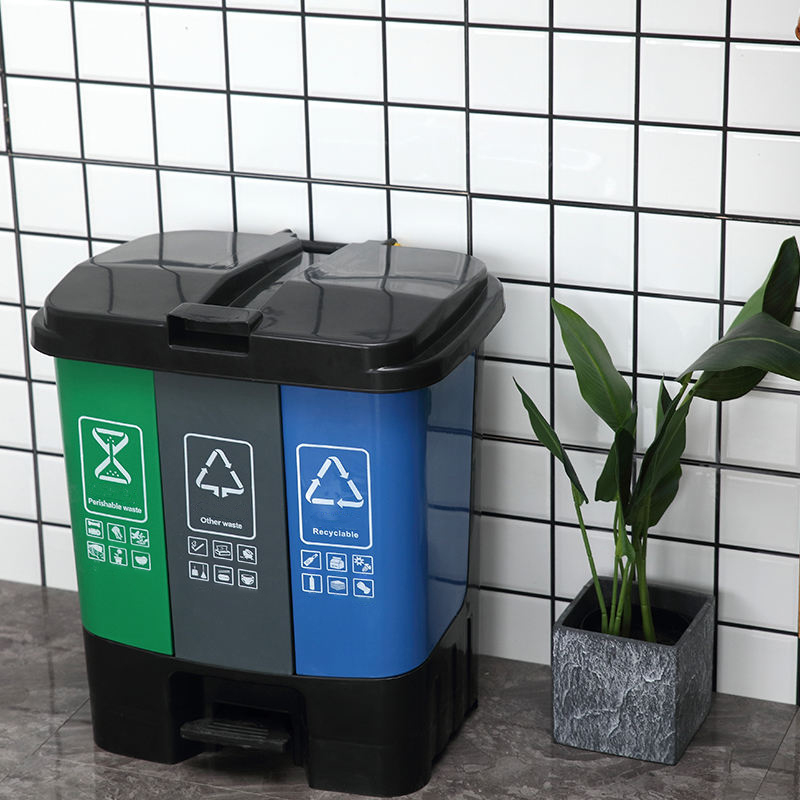
Custom trash bins engineered for waste segregation make proper sorting intuitive and physically constrained, dramatically improving compliance compared to generic containers. When custom trash bins feature separate compartments, clearly labeled openings, and color-coding systems, employees understand immediately where specific materials belong without ambiguity. Contamination decreases because incompatible materials cannot physically mix within properly designed custom trash bins. Custom trash bins positioned throughout facilities at convenient locations eliminate excuses for improper disposal—employees will separate waste when appropriate custom trash bins are accessible. Improved segregation in custom trash bins directly increases recycling facility acceptance rates, as contamination and foreign materials no longer compromise material streams. Facilities implementing well-designed custom trash bins for waste segregation typically achieve 40 to 60 percent diversion rates from landfills, compared to 10 to 20 percent with generic mixed-waste containers.
Can custom trash bins handle hazardous or specialized waste materials?
Yes, custom trash bins can be specifically engineered to safely contain virtually any waste type when designed with appropriate materials, secondary containment, and safety features. Manufacturing facilities use chemical-resistant custom trash bins with epoxy linings to prevent corrosive material damage to container walls. Healthcare facilities use locked custom trash bins with biohazard labeling to prevent access to sharps, pharmaceuticals, and contaminated materials. Facilities handling radioactive or extremely hazardous materials use custom trash bins with specialized shielding and tracking systems. Oil and chemical industries use custom trash bins with absorbent liners and secondary containment systems that prevent environmental contamination. Custom trash bins for specialized waste must comply with regulatory requirements specific to those materials, including DOT regulations, OSHA standards, and industry-specific environmental rules. Consulting with waste management professionals and regulatory agencies ensures that your custom trash bins meet all legal requirements while providing appropriate containment and safety features for your specific hazardous materials.